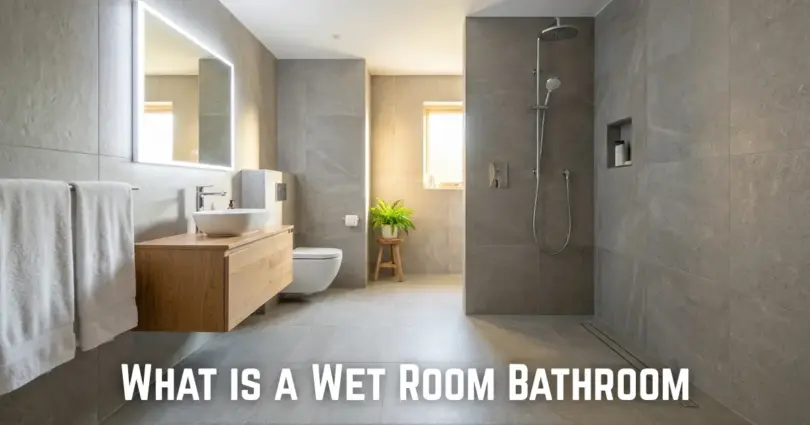

What Is a Wet Room Bathroom? A wet room bathroom is a fully waterproof bathroom where the shower area has no traditional tray or enclosure. Instead, water drains through a floor drain while waterproof walls and floors protect the room from moisture. This open design creates a modern, easy-to-access bathroom that works well for many homes, but it requires proper planning, drainage, and waterproofing.
Many homeowners spend thousands of dollars updating their bathrooms, but the layout they choose can change how useful the space feels every day. If you are searching for what is a wet room bathroom, you are likely looking for a smarter way to create a bathroom that feels open, modern, and easy to use.
A wet room can solve common problems like cramped shower spaces, hard-to-clean corners, and limited movement. In practice, the right design can make a bathroom feel larger without adding extra space. This guide will help you understand the design choices, materials, costs, and mistakes to watch for before starting a renovation.
You will also learn what actually works in real homes, including tips about drainage, waterproofing, and choosing the right layout. By the end, you will know if a wet room bathroom is the right choice for your home and needs. First, let’s look at how this bathroom style works and what makes it different.
What Is a Wet Room Bathroom?
A wet room bathroom is a fully waterproof bathroom where the shower area has no traditional shower tray or closed enclosure. Water drains through a floor drain while the walls and floor protect the room from moisture.
A wet room changes the way you use your bathroom. Instead of keeping water inside one small shower space, the whole room is designed to handle water safely. This creates an open layout that can feel larger and easier to use.
How does a wet room bathroom work?
Think about it this way: a normal bathroom tries to keep water in one place, but a wet room prepares the entire space for water.
The shower area usually has:
- A sloped floor that guides water toward the drain
- Waterproof layers under the tiles
- Moisture-resistant walls and flooring
- An open shower space without a large tray
The truth is, the tiles you see are only the top layer. The hidden waterproof system underneath does most of the work.
What makes a wet room different from a normal bathroom?
A standard bathroom usually has a shower tray, bathtub, or enclosure that controls where water goes. A wet room removes those barriers and creates one open waterproof area.
For example, imagine a small bathroom where a large shower enclosure takes up half the room. Removing that enclosure can make the space feel more open while still keeping water controlled.
A wet room often includes:
- Open shower design
- Wall-mounted bathroom fixtures
- Large floor tiles
- Hidden drainage systems
Many people think a wet room is just a bathroom without a shower door. In practice, the real difference is the waterproof structure behind the walls and floor. Without that protection, an open shower design can cause expensive water damage.
What parts make up a wet room?
A working wet room needs several parts that work together.
The main parts include:
- Waterproof membrane under surfaces
- Floor drain or linear drain
- Sloped shower floor
- Waterproof wall areas
- Suitable bathroom tiles
From real use, the small details matter most. A beautiful wet room can still fail if the drain placement is wrong or the waterproofing is poorly done.
A good wet room is not only about looks. It is about creating a bathroom that stays safe, dry, and comfortable for years.
How Does a Wet Room Bathroom Work?
A wet room bathroom works by using waterproof materials, proper drainage, and a slightly sloped floor that moves water safely into a drain.
Before you plan a wet room, you need to understand what happens below the surface. The visible tiles and fixtures are only one part of the system.
Why does waterproofing matter in a wet room?
Waterproofing keeps moisture from reaching the walls, floor structure, and areas behind the tiles.
A waterproof membrane creates a protective layer between water and your home.
It helps prevent:
- Water leaks
- Mold growth
- Damaged flooring
- Expensive repairs
Here is the thing: even a small leak behind tiles can create bigger problems over time. That is why professional installers spend so much time preparing the hidden layers.
How does water drain from a wet room floor?
Water moves through a carefully planned drainage system.
The floor usually has a gentle slope that helps water flow toward the drain instead of collecting in corners.
Common drain options include:
- Linear drains placed near walls
- Center floor drains
- Custom drainage designs
A linear drain is popular in many modern wet rooms because it creates a clean look and works well with large tiles.
For example, a bathroom with a 60 inch open shower area may use a long drain near the shower wall to collect water quickly.
What is a waterproof membrane?
A waterproof membrane is a thin protective layer placed behind tiles and other surfaces. It stops water from soaking into the structure of your home.
Common wet room waterproofing steps include:
- Preparing the floor and walls
- Adding waterproof protection
- Testing the area for leaks
- Installing tiles and finishes
One detail many articles miss is that waterproofing needs planning before tile choices. The drain location, floor height, and waterproof layers must work together from the start.
What actually works for long-term wet room performance?
Good ventilation also plays a big role. A bathroom fan or proper airflow helps moisture leave the room faster after showers.
A well-planned wet room combines waterproofing, drainage, and ventilation. Good waterproofing, drainage, and airflow help your wet room stay comfortable and protect your home from moisture problems.
What Is the Difference Between a Wet Room and a Walk-In Shower?
A wet room allows the whole bathroom space to handle water, while a walk-in shower usually keeps water inside a specific shower area with a tray, glass panel, or limited waterproof zone.
Both options can create a modern bathroom, but they work differently. Your choice depends on your space, budget, cleaning habits, and how you use your bathroom every day.
| Feature | Wet Room | Walk-In Shower |
| Water area | Whole bathroom is waterproof | Mainly shower area |
| Shower tray | Usually no tray | Often uses a tray |
| Space feeling | More open | More defined |
| Installation | Needs more planning | Usually simpler |
| Accessibility | Very easy entry | Can also offer easy access |
Is a wet room better than a walk-in shower?
There is no single answer because each option works well for different homes.
A wet room may be better if you want:
- A fully open bathroom layout
- Easier wheelchair access
- A modern bathroom design
- Better use of a small space
A walk-in shower may work better if you want:
- Lower renovation costs
- A separate shower area
- Faster installation
Which option is easier to maintain?
Both options can be easy to clean when they have good designs.
Wet rooms often have fewer corners because they remove bulky shower frames and doors.
Walk-in showers may need more cleaning around glass panels and shower edges.
From real use, the biggest difference is not cleaning time. It is how well the layout matches your daily routine.
Which option works better for small bathrooms?
A wet room can make a small bathroom feel bigger because your eyes see one open space instead of separate sections.
For example, a small bathroom under 40 square feet may feel less crowded with a simple wet room layout.
Many homeowners focus only on appearance when comparing these options. The better question is how you want to use the bathroom five or ten years from now. Daily comfort often matters more than the first impression.
Choosing between a wet room and a walk-in shower comes down to your needs, space, and renovation goals.
What Are the Benefits of a Wet Room Bathroom?
A wet room bathroom gives you an open layout, easier access, simpler cleaning, and a modern look that can make your bathroom feel more comfortable.
Wet rooms are popular because they remove many limits found in traditional bathrooms. The open design can improve how you move through the space while making daily cleaning easier.
Does a wet room make a bathroom feel bigger?
Yes, a wet room can make a bathroom feel larger because it removes bulky shower trays, doors, and visual barriers.
Think about it this way. A small bathroom with a closed shower creates separate areas. An open wet room allows your eyes to see the whole space at once.
This design works well for:
- Small bathrooms with limited floor space
- Modern home layouts
- Bathrooms that need easier movement
For example, a bathroom that measures only 40 square feet may feel less crowded when you replace a large shower enclosure with an open shower area.
Are wet rooms easier to clean?
Wet rooms can be easier to clean because they often have fewer corners, frames, and hard-to-reach areas.
Traditional showers can collect soap buildup around doors, tracks, and shower edges. A wet room removes many of these spots.
Cleaning usually involves:
- Wiping large tile surfaces
- Cleaning the floor drain
- Keeping grout lines maintained
From real use, fewer parts often mean fewer places for dirt and water marks to collect.
Are wet rooms good for accessibility?
A wet room can be a good choice for people who want a bathroom that is easier to enter and use.
Because there is usually no raised shower tray, you can walk or roll directly into the shower area.
Wet rooms can help with:
- Easier wheelchair access
- Safer shower entry
- More comfortable movement
This makes them a common choice for aging homeowners or anyone planning for future needs.
Can a wet room increase home value?
A well-designed wet room may appeal to buyers who like modern and practical bathrooms.
Many buyers look for bathrooms that feel comfortable, easy to maintain, and ready for different needs.
A wet room is not only a style choice. It can also make your bathroom more useful for different stages of life. A design that works for a young family today can still work well many years later.
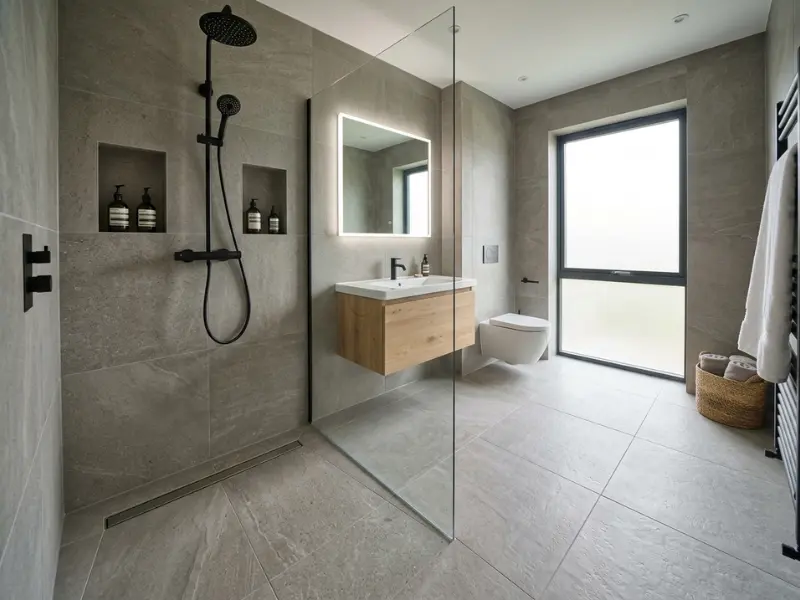
A wet room bathroom works best when the design matches how you use your space. The benefits become clearer when you also understand the possible challenges.
What Are the Disadvantages of a Wet Room Bathroom?
Wet room bathrooms can cost more to install, need careful waterproofing, and require proper planning to avoid problems with water, temperature, and maintenance.
A wet room can be a great bathroom choice, but it is not perfect for every home. Knowing the downsides helps you decide if this design fits your needs.
Are wet rooms more expensive than regular bathrooms?
Yes, wet rooms often cost more because they need extra preparation and specialized work.
The higher cost usually comes from:
- Waterproofing the entire area
- Changing drainage systems
- Preparing the floor correctly
- Installing suitable materials
The truth is, the expensive part is not only the tiles or fixtures. The hidden work behind the walls and floor often creates the biggest cost difference.
Can poor waterproofing damage a wet room?
Yes, poor waterproofing can lead to moisture problems behind tiles and inside walls.
A wet room depends on a strong waterproof system. If installers skip steps or use poor materials, water can slowly damage the structure.
Common problems include:
- Leaks behind tiles
- Mold growth
- Damaged flooring
- Costly repairs
In practice, hiring someone with wet room experience matters because mistakes are often hidden until damage appears.
Are wet rooms slippery or cold?
A wet room can feel colder because more floor space gets wet during showers.
The right choices can improve comfort:
- Use slip-resistant tiles
- Add good bathroom heating
- Install proper ventilation
For example, textured porcelain tiles can provide better grip than smooth polished tiles.
Are wet rooms hard to maintain?
Wet rooms are not difficult to maintain, but they need regular care.
You should:
- Clean the drain often
- Check grout lines
- Keep ventilation working
Many articles mention cost and waterproofing, but they often miss daily habits. A wet room works best when your routine matches the design. If you prefer a dry bathroom floor after every shower, a different layout may suit you better.
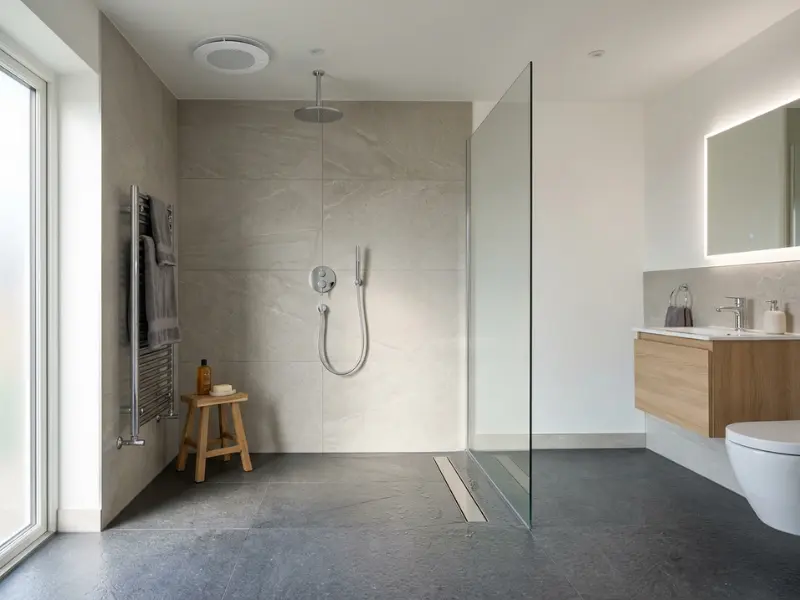
Knowing these problems early helps you make smarter choices before spending money on your renovation.
How Much Does a Wet Room Bathroom Cost?
A wet room bathroom can cost more than a standard bathroom because it needs waterproofing, drainage work, and careful installation.
The final price depends on your bathroom size, current layout, materials, and how much construction work your space needs. A simple update costs less than changing the whole bathroom structure.
What affects wet room installation cost?
Several parts can change the total price of a wet room project.
The main cost factors include:
- Bathroom size
- Plumbing changes
- Drain installation
- Waterproofing work
- Tile choices
- Labor costs
For example, converting an existing shower area may cost less than turning an entire bathroom into a wet room.
Does bathroom size change the price?
Yes, larger bathrooms usually cost more because they need more materials and more waterproofing.
A small wet room may need fewer tiles and less labor. A large bathroom may require more drainage planning and more surface protection.
Where can homeowners save money?
You can lower costs by making smart choices before construction begins.
Ways to control spending:
- Keep existing plumbing locations
- Choose durable mid-range tiles
- Plan the layout before work starts
- Avoid unnecessary design changes
What actually works is spending money on the parts you cannot easily fix later, such as waterproofing and drainage.
Is a wet room worth the extra cost?
A wet room may be worth the investment if you value open space, easy access, and a modern bathroom layout.
The right choice depends on how you use your bathroom every day.
Many homeowners focus only on the first installation price. A better question is what the bathroom will need over the next 10 years. A well-planned wet room can reduce the need for future changes as your needs grow.
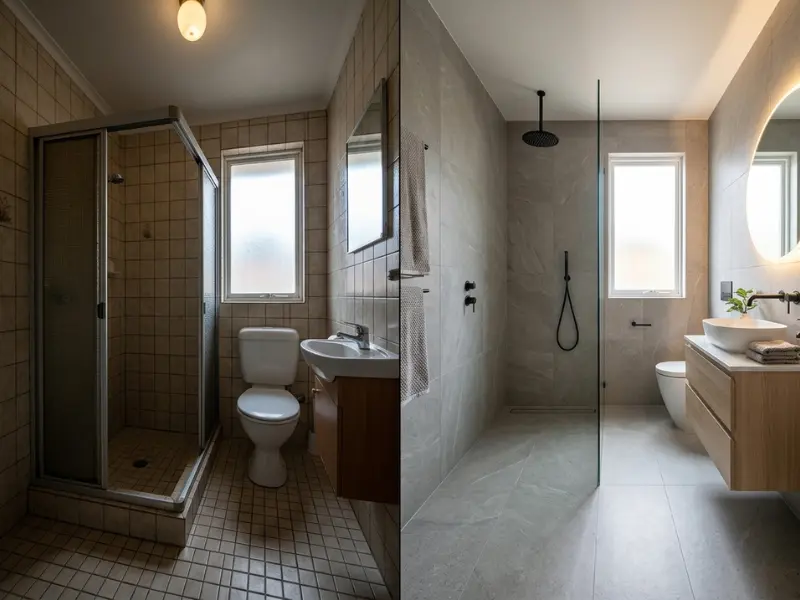
A clear budget helps you make better choices, especially before moving into the installation stage.
How Is a Wet Room Bathroom Installed?
A wet room bathroom starts with careful floor preparation, strong waterproofing, proper drainage, and the right finishing materials.
A wet room installation needs more planning than a regular bathroom because the whole area must handle water safely. The steps below explain what happens during the process.
What happens before wet room installation starts?
Before any work begins, the bathroom layout needs careful planning.
A professional checks:
- Where the shower will be placed
- How water will reach the drain
- Whether the floor needs changes
- Where plumbing lines should go
Here is the thing: many wet room problems start before construction even begins. A poor layout can create drainage issues later.
For example, moving a shower area only a few inches can change where pipes and drains need to sit.
How is the floor prepared for a wet room?
The floor needs to support proper water movement.
Installers usually prepare the floor by:
- Creating space for drainage
- Adding the correct floor slope
- Adjusting floor height if needed
The slope helps water move toward the drain instead of sitting on the surface.
A small change in floor level can make a big difference. Even a slight slope helps prevent standing water after showers.
How is waterproofing added?
Waterproofing is one of the most important parts of the process.
The installer adds a waterproof layer to areas that will get wet.
This usually covers:
- Shower floor
- Shower walls
- Corners and joints
- Areas around pipes
The waterproof membrane sits behind the visible tiles. You will not see it, but it protects your home from hidden leaks.
How are tiles and fixtures installed?
After waterproofing is complete, the visible parts of the bathroom are added.
This includes:
- Bathroom tiles
- Shower fixtures
- Glass panels if needed
- Storage features
Many homeowners choose tiles first because they see them every day. In practice, the hidden waterproof work should come first because beautiful tiles cannot fix poor protection underneath.
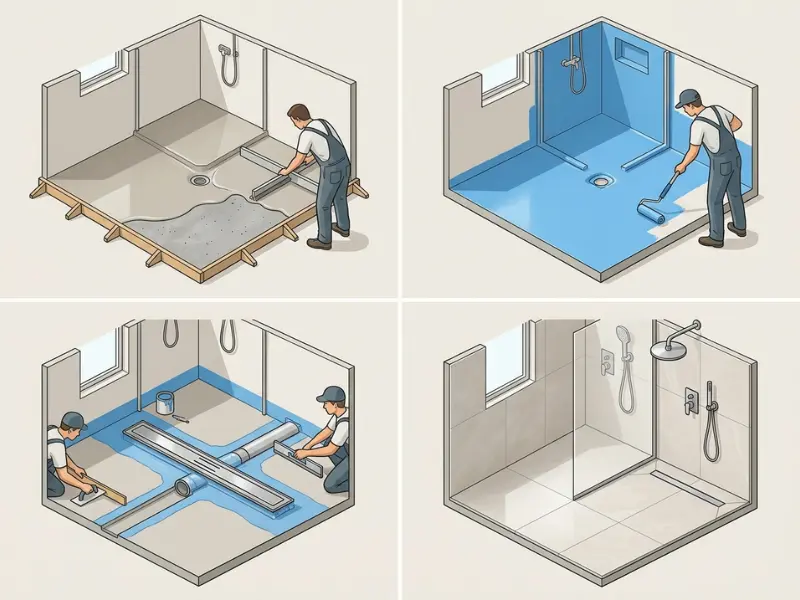
A well-installed wet room depends on every stage working together. Once the structure is right, the design choices become much easier.
Are Wet Rooms Good for Small Bathrooms?
Yes, wet rooms can work very well in small bathrooms because they remove bulky shower barriers and create a more open feeling.
Small bathrooms often feel crowded because every fixture takes up separate space. A wet room combines the shower area with the rest of the bathroom, which can make the room feel less closed.
How does a wet room help a small bathroom?
A wet room can create more usable space by removing large shower trays and doors.
It can help by:
- Opening up the floor area
- Reducing visual clutter
- Making movement easier
- Creating a cleaner layout
Think about it this way. A glass shower box divides a small room, but an open shower keeps your eyes moving across the whole space.
What design choices work best in small wet rooms?
Small wet rooms need smart planning.
Helpful choices include:
- Large format tiles
- Wall-mounted sinks
- Built-in storage
- Clear glass screens
Large tiles can also reduce the number of grout lines, which may make the bathroom feel calmer and easier to clean.
Are there problems with small wet rooms?
Yes, small wet rooms still need good planning.
Common mistakes include:
- Poor drain placement
- Too little storage
- Weak ventilation
- Slippery flooring
From real use, a small wet room works best when every item has a purpose. Adding too many features can make the space feel crowded again.
For example, a bathroom under 40 square feet may work better with a simple shower area, wall-mounted toilet, and smart storage instead of large furniture.
Can a small wet room work for families?
Yes, but you need to think about daily use.
Families may need:
- Easy-to-clean surfaces
- Safe flooring
- Storage for towels and products
A small wet room is not about fitting more things into less space. It is about removing unnecessary barriers so the bathroom feels easier to use every day.
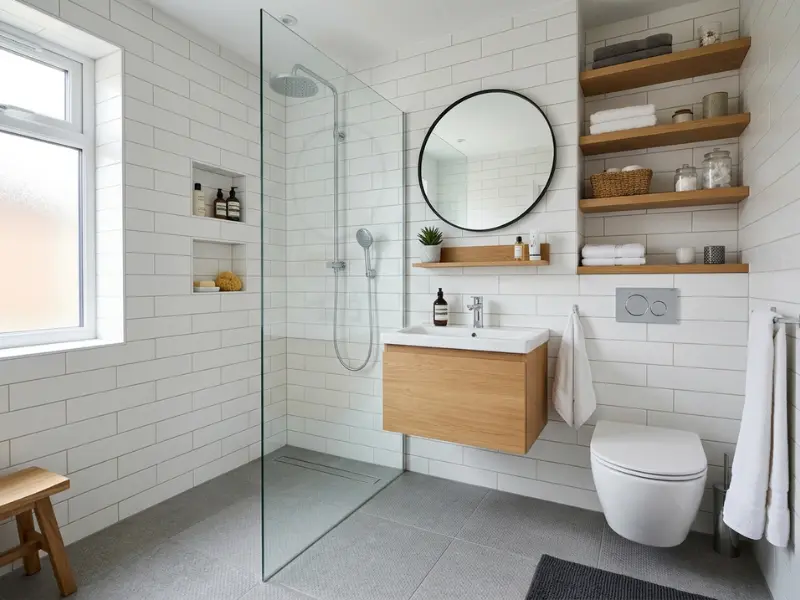
A smaller bathroom can still feel comfortable when the layout matches your needs and daily habits.
What Materials Are Best for a Wet Room Bathroom?
The best wet room materials are waterproof, durable, and safe to use around water. Popular choices include porcelain tiles, slip-resistant flooring, and moisture-resistant finishes.
Picking materials is not just about making the bathroom look nice. Every surface needs to handle regular water exposure while staying safe and easy to maintain.
What tiles are best for wet rooms?
Porcelain tiles are one of the most common choices because they are strong and absorb very little water.
Good tile options include:
- Porcelain tile
- Ceramic tile
- Natural stone with proper sealing
Porcelain is often chosen for floors because it handles heavy use and moisture well.
What flooring works best in a wet room?
The floor needs to provide grip because water can make surfaces slippery.
Look for:
- Slip-resistant tiles
- Textured finishes
- Low-maintenance surfaces
A shiny tile may look attractive, but it can become harder to walk on when wet.
What materials are used behind the tiles?
The hidden layers protect your bathroom from water damage.
Important materials include:
- Waterproof membrane
- Sealants
- Moisture-resistant boards
These materials create a barrier between water and your home’s structure.
What finishes make a wet room easier to maintain?
Simple finishes often work better over time.
Helpful choices include:
- Easy-clean tiles
- Quality grout
- Proper sealants
A common mistake is choosing materials only by color and style. The best wet room materials balance looks, safety, and daily use. A beautiful surface that is difficult to clean can become frustrating after a few months.
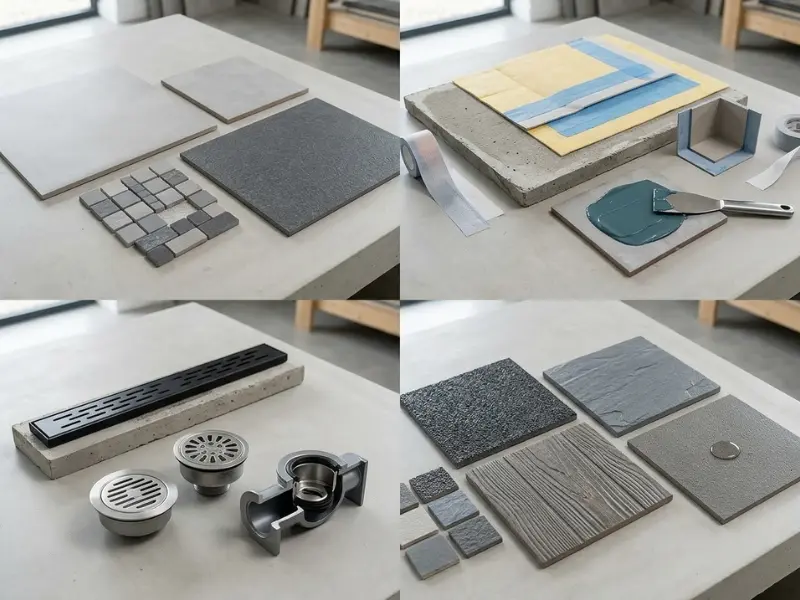
Good materials help your wet room stay safe, easy to use, and easier to maintain over time.
Who Should Consider a Wet Room Bathroom?
A wet room bathroom is a good choice for homeowners who want an open design, easier access, simple cleaning, or a bathroom that can adapt to changing needs.
A wet room is not the right fit for every home. The best choice depends on your space, lifestyle, and how you use your bathroom every day.
Are wet rooms good for older adults?
Yes, wet rooms can be a helpful option for older adults because they remove common barriers found in traditional bathrooms.
A level shower area can make movement easier because there is usually no raised shower tray to step over.
Wet rooms can help with:
- Easier shower entry
- Better wheelchair access
- More comfortable movement
- Safer daily routines
From real use, many people prefer bathrooms that stay easy to use as their needs change over time.
Are wet rooms good for families?
Yes, wet rooms can work well for families when they have the right layout.
Parents often like open shower areas because they make it easier to help young children during bath time.
A family-friendly wet room can include:
- Slip-resistant flooring
- Easy-to-clean surfaces
- Good storage space
- Strong ventilation
For example, a family with two children may prefer an open bathroom layout because it gives more room to move around during busy mornings.
Are wet rooms good for small homes?
Wet rooms can be a smart choice for smaller homes because they make better use of limited space.
They work well when you want:
- A larger feeling bathroom
- Fewer visual barriers
- A cleaner layout
- Flexible design options
The truth is, a small bathroom does not always need more space. Sometimes it needs a better layout.
Who may not want a wet room bathroom?
A wet room may not be the best choice if you prefer a completely dry bathroom floor after every shower or if your home needs major structural changes to support one.
You may want another option if:
- You have a tight renovation budget
- Your drainage options are limited
- You prefer a separate shower enclosure
Many people choose bathroom designs based only on how they look. A better question is how the space will support your daily habits for years. A wet room works best when it matches your real needs, not just current trends.
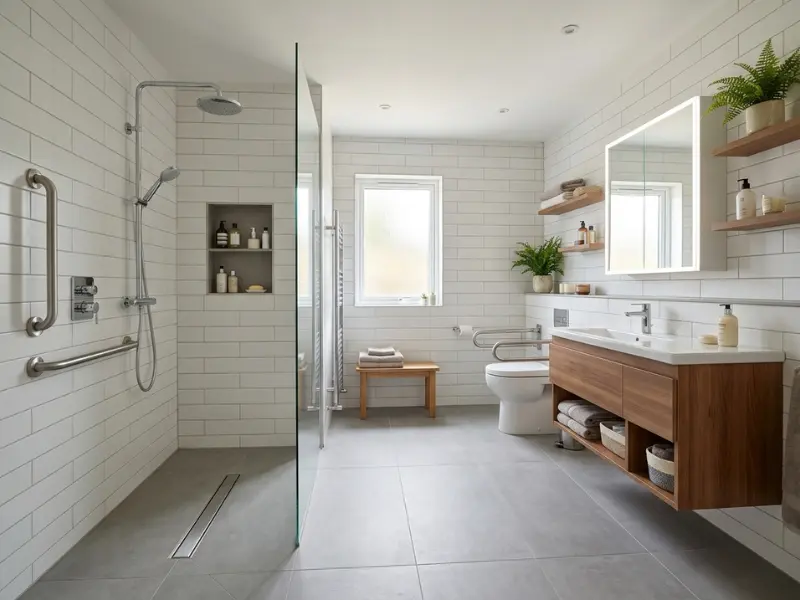
A wet room can be a practical choice for many homes, but understanding your own needs is the best way to decide if this design fits your bathroom.
Frequently Asked Questions
What is a wet room bathroom?
A wet room bathroom is a fully waterproof bathroom where the shower area does not use a traditional tray or closed enclosure. The floor and walls are protected with waterproof materials, and water drains through a floor drain. This design creates an open space that is easier to access and clean.
Are wet rooms a good idea?
Wet rooms are a good idea for homeowners who want an open bathroom layout, easier access, and a modern design. They work especially well for small bathrooms, older adults, and people planning for future needs. However, they need proper waterproofing and drainage to prevent water problems.
How much does a wet room cost?
A wet room bathroom usually costs more than a standard bathroom because it needs waterproofing, drainage work, and careful installation. The total price depends on bathroom size, materials, plumbing changes, and labor. A simple conversion may cost less than building a completely new wet room.
Can a toilet go in a wet room?
A toilet can go in a wet room because the entire space is designed to handle moisture. Many wet rooms include a toilet, sink, and open shower area in one waterproof space. Good ventilation and proper drainage help keep the bathroom comfortable and prevent moisture buildup.
Are wet rooms easy to clean?
Wet rooms are usually easy to clean because they often have fewer shower doors, frames, and tight corners where dirt can collect. Large tiles and simple layouts can make cleaning faster. You still need to clean the drain and maintain grout to keep the bathroom in good shape.
Do wet rooms need waterproofing?
Wet rooms need waterproofing because water can damage walls, floors, and the structure of your home if it gets underneath tiles. A waterproof membrane protects the hidden areas from moisture. Professional installation helps make sure the waterproof layer covers all wet areas correctly.
Are wet rooms suitable for small bathrooms?
Wet rooms can work well in small bathrooms because they remove bulky shower trays and create a more open feeling. A smart layout with space-saving fixtures can make a small bathroom feel larger. Many compact bathrooms under 40 square feet can use this design successfully.
What are the disadvantages of a wet room?
The main disadvantages of a wet room are higher installation costs, the need for careful waterproofing, and possible cold or slippery floors. Poor planning can also cause drainage problems. Choosing the right materials and working with an experienced installer can reduce these issues.
What tiles are best for a wet room?
Porcelain tiles are one of the best choices for wet rooms because they are strong, water-resistant, and suitable for floors and walls. Slip-resistant tiles are also a good option because they provide better grip when the surface is wet. The right tile should balance safety and style.
Does a wet room add value to your home?
A wet room can add value to a home by offering a modern, accessible bathroom design that many buyers like. Its value depends on the quality of installation, location, and buyer preferences. A well-designed wet room bathroom can make a home more attractive during resale.
Conclusion
A bathroom should not only look good. It should also make your daily routine easier and more comfortable. A wet room bathroom can create an open space, improve accessibility, and give your home a cleaner modern feel when it is planned the right way.
You now know how wet rooms work, why waterproofing and drainage matter, what materials are best, and which homes can benefit from this design. The right layout can help you enjoy a bathroom that feels simple, safe, and easy to use for years.
Before making your decision, think about how you use your bathroom every day and what features matter most to you. A well-planned wet room can be a smart choice when it matches your needs. Try the tips mentioned in this guide and use them to create a bathroom space that works better for your home.