
What is maximalist decor? It is a home design style that uses bold colors, mixed patterns, rich textures, layered decor, and personal items to create a lively space. Unlike minimalism, which focuses on simplicity, maximalism celebrates variety and self-expression. The key is to choose pieces that work together, so your home feels warm, personal, and full of character rather than messy.
Have you ever saved photos of colorful rooms you love, then felt unsure how to recreate the look in your own home? Maybe your favorite patterns clash, your shelves look crowded, or your decor never seems to fit together. If you’re wondering what is maximalist decor, start by thinking about the colors, patterns, and personal items that make a room feel like you.
The goal isn’t to fill every corner or buy a whole new set of furniture. It’s to bring together the pieces you love in a way that feels personal and works for your daily life. Even a small room can show off bold colors, mixed patterns, and meaningful objects without feeling cramped.
You’ll learn how to choose a color palette, combine different prints, and use artwork and furniture to give your room a clear focus. We’ll also cover budget-friendly ideas, rental homes, and simple ways to tell when a display has become too busy. With a few easy checks, you’ll know what to keep, move, or store.
To start, let’s look at what maximalist decor means and the features that define it.
What Is Maximalist Decor?
Maximalist decor is a home design style that combines bold colors, mixed patterns, rich textures, artwork, and personal items to give a room character.
The goal isn’t to fill every corner. It’s to surround yourself with things you love while keeping your home comfortable and visually connected.
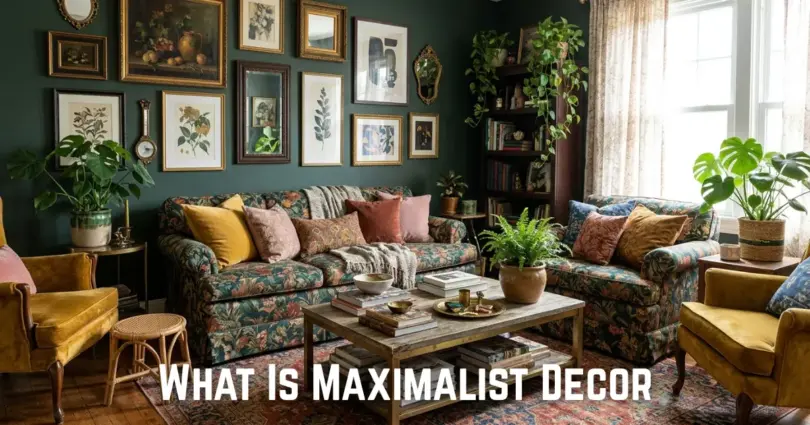
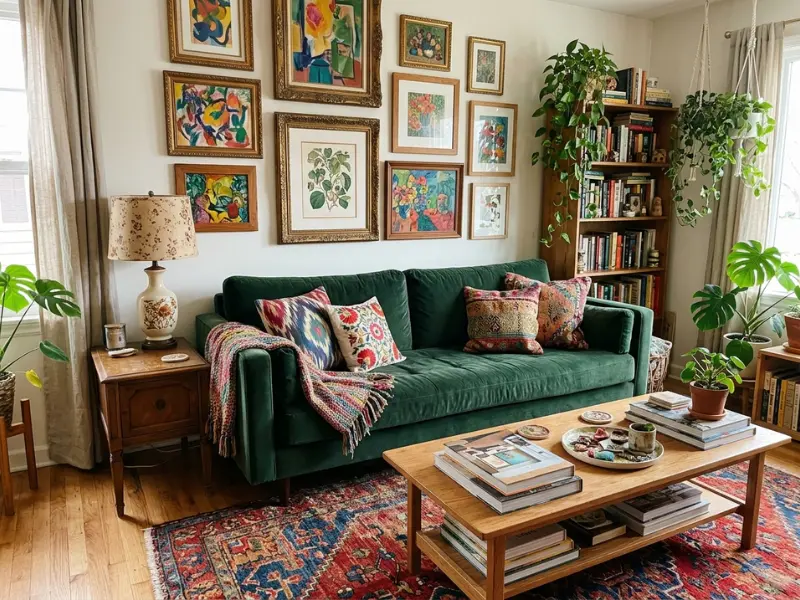
Imagine a living room with a green sofa, floral cushions, colorful artwork, books, and a vintage lamp. These items don’t need to match perfectly. A few shared colors or shapes can help them work together.
What Are the Main Features of Maximalist Decor?
Maximalist rooms often include several of these features:
- Bold colors: Deep greens, rich blues, warm reds, or bright pinks.
- Mixed patterns: Florals, stripes, checks, and geometric prints.
- Layered textures: Velvet, linen, wood, woven fabrics, and metal.
- Statement pieces: A colorful sofa, large painting, or unusual lamp.
- Personal items: Books, family photos, travel finds, and collections.
- Decorative details: Patterned wallpaper, gallery walls, and eye-catching rugs.
You don’t need every feature in one room. Start with the ones that match your taste.
What Makes Maximalist Decor Different From Clutter?
The main difference is purpose. Maximalist decor uses thoughtful choices to create a room full of character, while clutter can make a room hard to use or move around in.
Think about a bookshelf filled with books, framed photos, plants, and souvenirs. When you arrange these items in small groups, each one has room to stand out.
Now imagine books falling over, objects covering every inch, and everyday items buried behind decorations. That’s clutter, not thoughtful design.
What Does a Maximalist Room Look Like?
Picture a living room with a green sofa, floral cushions, a patterned rug, colorful artwork, and a wooden coffee table. The pieces have different styles, but repeated colors help the room feel connected.
The visual connection test: Pick three items in your room. Can you find a shared color, shape, material, theme, or personal story between them? If you can, you have a starting point for connecting different pieces.
Try this test before buying new decor. It can help you decide whether a new item fits your room or adds more visual noise.
What Are the Main Elements of Maximalist Interior Design?
Maximalist interior design often combines rich colors, mixed patterns, layered textures, statement furniture, decorative walls, and personal collections. Shared colors or themes help these different elements work together.
Start with one or two features you love, such as a bold rug or patterned curtains. Add more once you see how they look together.
Bold Colors and Color Palettes
Color gives a maximalist room much of its energy. You can choose deep shades, bright colors, soft pastels, or a mix of them.
Popular choices include:
- Jewel tones: Emerald green, sapphire blue, and ruby red.
- Warm shades: Terracotta, mustard yellow, and burnt orange.
- Soft pastels: Blush pink, pale blue, and mint green.
- Monochromatic colors: Different shades of one color, such as light blue, navy, and teal.
You can also try color drenching. This means using the same or similar color on several parts of a room, such as the walls, trim, and furniture.
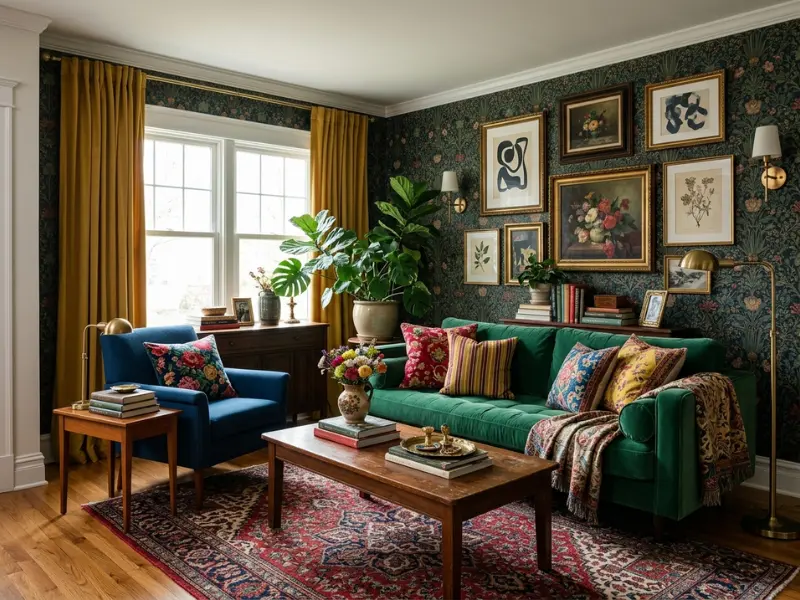
For example, pair dark green walls with a lighter green sofa, cream cushions, and brass lamps. The colors connect the room, while the different materials add variety.
Mixing Patterns and Prints
You don’t need every pattern to match. You need a few shared details that help them work together.
Try combining patterns of different sizes. A large floral print can sit beside thin stripes and a small geometric design without making everything compete for attention.
For example, use floral curtains, striped cushions, and a geometric rug. Repeat one color across all three to create a clear link.
Before buying fabric, place the samples next to each other in daylight. If one pattern makes the others hard to notice, try a smaller print or a calmer color.
Layering Textures and Materials
Texture makes a room feel more interesting, even when you use similar colors. It comes from how a surface looks and feels.
You could combine velvet cushions, linen curtains, a wooden coffee table, a woven basket, and a metal lamp. Each material adds something different.
Try to balance soft and hard surfaces. If your room has lots of smooth wood and metal, add a soft throw or fabric rug to make it feel warmer.
Statement Furniture, Rugs, and Lighting
A statement piece is an item that catches your eye first. It could be a colorful sofa, a large rug, an ornate chair, or a bold light fixture.
Choose one main feature before adding smaller decorations. If your sofa has a large floral print, for example, use a simpler rug and let the sofa lead the design.
Lighting matters, too. A ceiling light can draw attention upward, while table lamps create softer light for reading or relaxing.
Wallpaper, Gallery Walls, and Personal Collections
Walls give you space to show your taste without filling every surface with furniture. Patterned wallpaper, framed artwork, family photos, and collected objects can all add character.
A gallery wall works well when the frames share one detail, such as a color, material, or theme. The pictures don’t need to be identical.
Bookshelves can display books, small plants, framed photos, and souvenirs. Group similar items together and leave some space between groups so each one remains easy to see.
Think of your room as a series of small displays rather than one big collection. Give each shelf, wall, or table a clear purpose. This makes it easier to enjoy your favorite objects without crowding the whole room.
Where Did Maximalist Decor Come From?
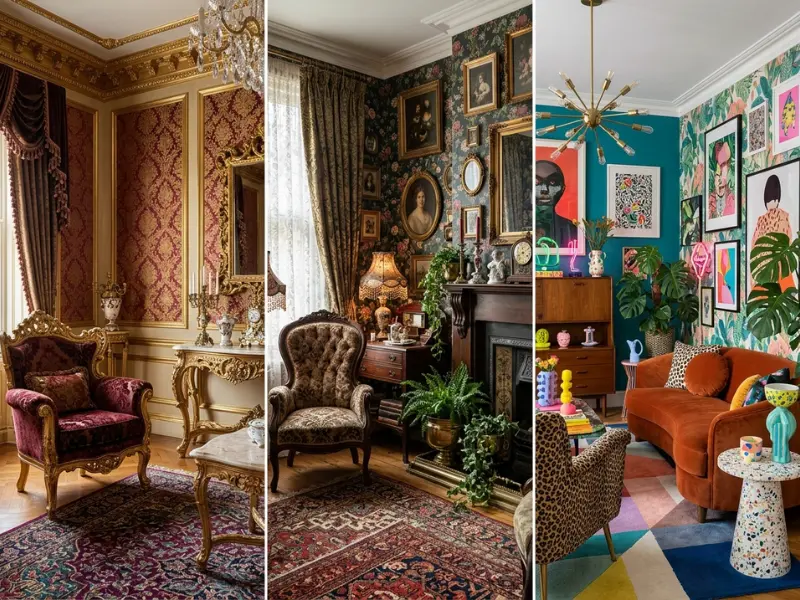
Maximalist decor draws from design styles that celebrate rich details, bold decoration, and layered spaces. Its history includes Baroque and Victorian interiors, while modern versions mix older design ideas with personal collections and newer furniture.
Understanding these roots can help you borrow the parts you like without copying an entire historic room.
Baroque and the Grandeur of Versailles
Baroque design grew in Europe during the 17th century. It favored grand rooms, detailed carvings, rich colors, and decorative finishes. The Palace of Versailles in France is a well-known example.
You don’t need a palace to use the idea. A gold-framed mirror or an ornate chair can bring a touch of Baroque style into a modern room.
Victorian Design and the Love of Layering
Victorian interiors became popular during the reign of Queen Victoria, from 1837 to 1901. These rooms often featured patterned walls, detailed furniture, heavy fabrics, and decorative objects.
Today’s maximalist homes may borrow these layered details but use them with lighter furniture, simpler layouts, or modern colors.
Art Deco, Hollywood Regency, and Modern Maximalism
Art Deco brought bold geometric shapes and polished finishes. Hollywood Regency became known for glamorous details, striking colors, and eye-catching furniture.
Modern maximalism can mix these ideas with vintage finds, modern art, books, and personal objects.
Treat historic styles like a menu, not a set of rules. Choose one detail you love, such as an Art Deco mirror, then pair it with furniture that suits your home today.
How Is Maximalist Decor Different From Minimalist and Eclectic Decor?
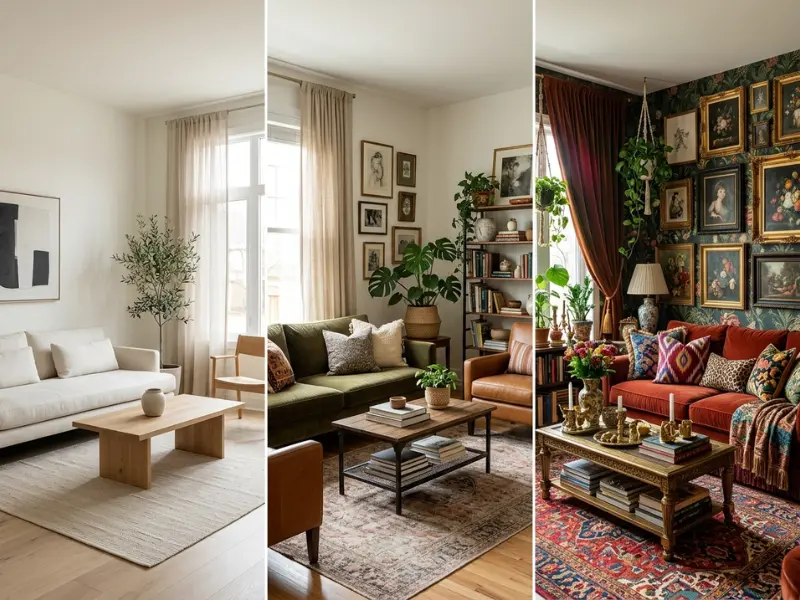
Minimalist decor uses fewer items and simple designs, while maximalist decor embraces bold colors, layered patterns, and decorative details. Eclectic decor mixes different styles, and it can be either simple or richly decorated.
These styles can overlap, but they have different goals. Knowing the difference helps you choose a look that fits your taste and the way you live.
Maximalist vs. Minimalist Decor
| Feature | Maximalist Decor | Minimalist Decor |
| Colors | Bold, rich, or varied | Often neutral or limited |
| Patterns | Often layered and mixed | Usually simple or limited |
| Furniture | Decorative and varied | Simple shapes and clean lines |
| Accessories | Art, collections, and personal items | Few carefully chosen items |
| Overall feel | Lively, personal, and layered | Calm, open, and uncluttered |
Neither style is better for every home. If you enjoy displaying books, artwork, and colorful objects, maximalism may suit you. If you prefer clear surfaces and fewer distractions, minimalism may feel more comfortable.
For example, a minimalist living room might have a beige sofa, one coffee table, and a single large painting. A maximalist version might use a patterned sofa, colorful cushions, a gallery wall, and a layered rug.
Maximalist vs. Eclectic Decor
Eclectic decor brings together pieces from different design styles, time periods, or cultures. You might pair a vintage wooden chair with a modern sofa and a handmade rug.
Maximalism takes this mix further by often using more color, pattern, texture, and decorative detail. However, an eclectic room can also be bold and full of objects.
Think of eclectic style as the mix of styles and maximalism as the amount and richness of visual detail. The two can work together when your pieces share a color, material, shape, or theme.
Can You Combine These Styles?
Yes. You can keep a simple room layout, choose a few eclectic furniture pieces, and add maximalist touches through colorful cushions, artwork, or patterned wallpaper.
For example, a room with plain walls and a simple sofa can still feel maximalist when you add a bright rug, mixed cushions, framed prints, and a collection of favorite books.
Choose your style based on what you want to notice first. If you want open space to stand out, start with minimalism. If you want your favorite objects and patterns to catch your eye, try maximalism. If you love pieces from different styles, use an eclectic mix.
How Do You Decorate Your Home in a Maximalist Style?
To decorate in a maximalist style, choose a color direction, start with one standout item, mix patterns of different sizes, add layers gradually, and edit anything that makes the room hard to use.
You don’t need to decorate the whole room in one day. Building the look in stages gives you time to see what works before spending more money.
Step 1: Choose a Color Palette or Theme
Start with two or three colors you enjoy seeing together. You can add more shades later, but a clear starting point helps prevent the room from feeling disconnected.
For example, choose emerald green, blush pink, and cream. Use green for a sofa or wall, pink for cushions, and cream to give your eyes a calmer area.
Your theme can also come from something you love, such as nature, travel, vintage art, or a favorite period of design.
Step 2: Pick One Statement Piece
Choose the item you want people to notice first. It might be a colorful sofa, a large painting, a patterned rug, or a vintage cabinet.
Build around that item instead of buying several bold pieces at once. If you already own a bright floral chair, use its colors to guide your choices for cushions, artwork, and smaller accessories.
Step 3: Mix Patterns at Different Scales
Combine a large pattern with smaller, less detailed prints. This gives each design room to stand out.
Try this simple combination:
- Large floral curtains.
- Small striped cushions.
- A rug with a wider geometric pattern.
Repeat one or two colors across these items. If every pattern has different colors and the same level of detail, the room may feel too busy.
Step 4: Layer Decor, Art, and Textures
Once your main pieces are in place, add smaller details that make the room feel personal.
You might use a woven basket, a velvet cushion, framed photos, books, plants, and a table lamp. Group related objects together instead of spreading every item across every surface.
Hang artwork at a comfortable viewing height and make sure furniture, lamps, and decorations don’t block doors or walkways.
Step 5: Edit the Room and Check the Balance
More items don’t always create a better room. Step back and remove anything that competes with your main feature or gets in the way of everyday tasks.
The three-view check: Look at your room from three places:
- The doorway: Does the whole room feel connected?
- Your main seat: Can you enjoy the view without one area feeling too busy?
- Your most-used spot: Can you reach what you need and move around easily?
If one view feels crowded, move a few items, group smaller objects, or store pieces you don’t need on display. This simple check helps you make changes before buying more decor.
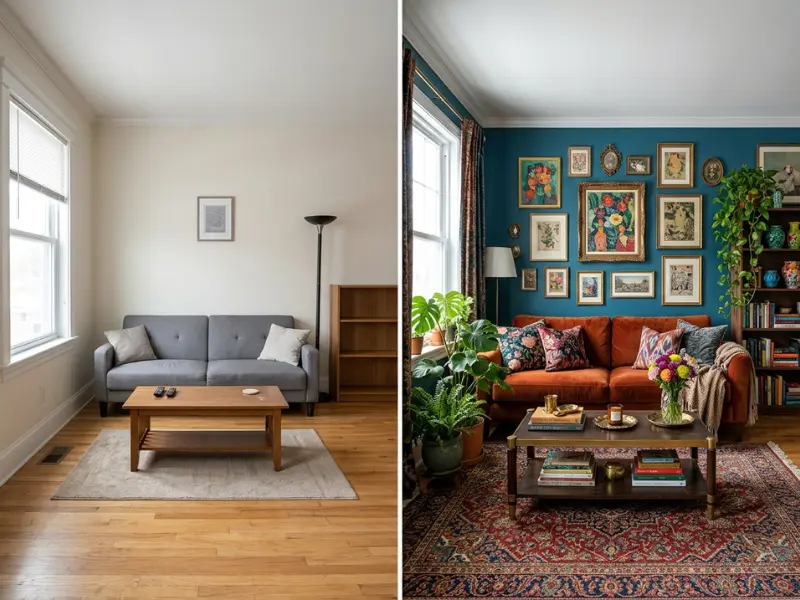
How Can You Use Maximalist Decor in Different Rooms?
You can use maximalist decor in any room by choosing colors, patterns, and accessories that suit the room’s purpose. The key is to add personality without making everyday tasks harder.
Your living room can handle layered seating and artwork, while a bedroom may feel better with patterned bedding and softer textures. Kitchens and bathrooms need extra care because usable surfaces matter.
Maximalist Living Room Ideas
The living room is a natural place to try this style because it often has space for furniture, artwork, rugs, and personal collections.
You could combine a colorful sofa, patterned cushions, a large rug, and a gallery wall. Add a vintage side table or a bold lamp to give the room another point of interest.
Keep enough space to walk between the sofa, coffee table, and doors. If your rug has a busy pattern, choose a simpler pattern for one or two nearby items.
Maximalist Bedroom Ideas
A bedroom can feel rich and personal without becoming overwhelming. Start with bedding, curtains, or a headboard that sets the color direction.
For example, pair floral bedding with a solid-color headboard, patterned cushions, warm bedside lamps, and artwork that repeats one shade from the bedding.
Use closed storage for clothes and everyday items. This leaves your favorite objects on display without crowding the bedside tables.
Maximalist Kitchen and Dining Room Decor
Kitchens can use bold cabinets, colorful backsplashes, patterned floor tiles, open shelves, and decorative lighting. You don’t have to change every surface to make a difference.
For example, deep blue cabinets with brass handles can work with a patterned backsplash and wooden stools. Keep the worktop clear enough for preparing meals.
In a dining room, try colorful chairs, a large artwork piece, or a patterned rug that fits beneath the table and chairs. Make sure chairs can slide back without catching on the rug.
Maximalist Bathroom Decor
Bathrooms can show personality through wallpaper, colorful tiles, patterned shower curtains, framed artwork, and distinctive mirrors.
A small bathroom might use one bold wallpaper wall, a bright mirror frame, and towels in a matching color. This creates interest without covering every surface.
Choose materials suited to moisture, and follow the product maker’s instructions for using wallpaper or artwork in damp areas. Keep toiletries organized so the sink and shower remain easy to use.
Match the amount of decor to the work each room needs to do. A living room may suit a full gallery wall, while a kitchen needs open prep space and a bathroom needs clear sink and shower areas. Your room should look the way you want while still giving you space to cook, relax, and get ready.
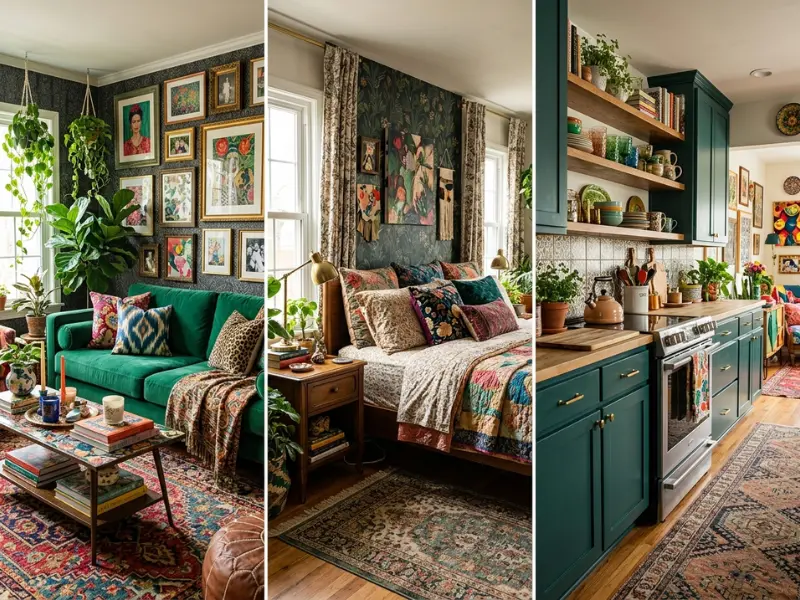
Can Maximalist Decor Work in Small Spaces, Rental Homes, or on a Budget?
Yes, maximalist decor can work in small spaces, rental homes, and tight budgets. You can create a bold, personal look with items you already own, removable decorations, and a few well-chosen pieces.
You don’t need a large home or expensive furniture. The key is to use your space wisely and focus on details that make the biggest difference.
How Can You Use Maximalist Decor in Small Spaces?
Small rooms can handle bold colors and patterns when you choose them with care. Instead of decorating every wall and surface, pick a few areas that deserve attention.
Try these ideas:
- Use a colorful rug to give the room a clear focal point.
- Hang artwork vertically to draw the eye upward.
- Choose furniture with built-in storage.
- Use mirrors to reflect light and make the room feel more open.
- Display a small collection instead of spreading items everywhere.
For example, in a small apartment living room, you could pair a compact green sofa with patterned cushions, a colorful rug, and a gallery wall. A storage ottoman can hold blankets while adding another layer of color.
How Can Renters Add Maximalist Style Without Permanent Changes?
You can add plenty of personality without painting walls or making changes your landlord may not allow.
Consider these renter-friendly options:
- Hang lightweight artwork with removable hooks approved for your wall type.
- Use peel-and-stick wallpaper after checking the product and lease rules.
- Add colorful curtains using an existing curtain rod.
- Cover a plain sofa with a patterned throw.
- Display books, plants, and collections on freestanding shelves.
Before using adhesive products, check the wall finish and test a small area if the maker recommends it. Always follow your lease and the product instructions.
How Can You Decorate on a Budget?
Start with what you own instead of shopping for a complete room makeover. Moving furniture, changing cushion covers, and rearranging artwork can make a room feel different without a big expense.
You can also:
- Shop secondhand for lamps, frames, side tables, and vintage furniture.
- Swap decor with friends or family.
- Use inexpensive fabric to update cushions or cover a small stool.
- Paint an old piece of furniture if its material allows it.
- Spend first on items you see and use every day.
For example, instead of replacing your sofa, add two colorful cushion covers, a secondhand side table, and framed prints made from artwork you love.
How Can You Make Maximalist Decor Work for Children and Pets?
A colorful home can still be practical for a busy family. Choose decor that is easy to clean, keep breakable objects out of reach, and leave clear paths through rooms.
Use washable cushion covers, sturdy baskets, and secure shelving. If you have pets, choose fabrics that are easier to clean and avoid placing fragile objects where tails or paws can knock them over.
Reuse-first decorating plan: Before buying anything, list five items you already own that could work in the room. Try moving, grouping, or restyling them first. Then buy only what is still missing.
This approach helps you build a personal room without spending money on items you don’t really need.
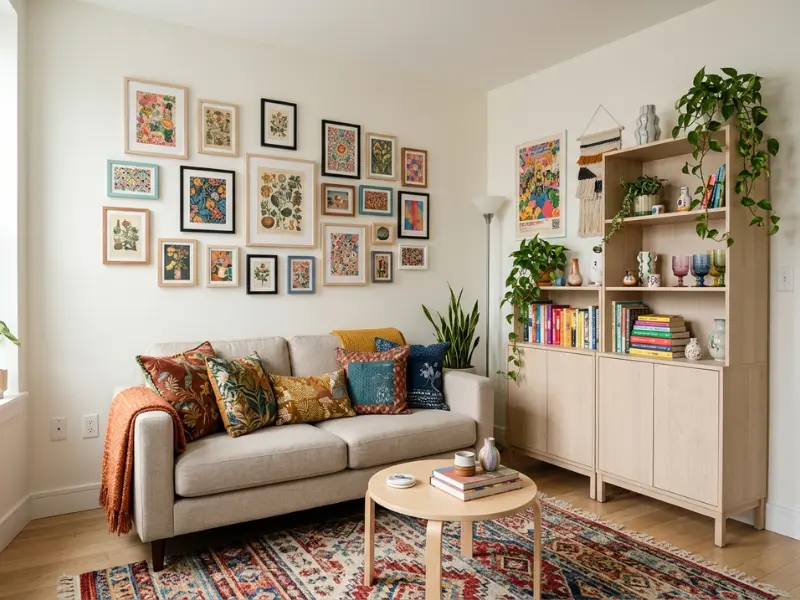
What Mistakes Should You Avoid With Maximalist Decor?
The biggest mistakes are adding too many unrelated items, mixing patterns without a clear link, ignoring storage, and buying decor before planning the room. A few simple checks can help you keep the space bold without making it difficult to use.
You don’t have to remove every busy pattern or colorful object. Instead, look at how the pieces work together and whether the room still meets your daily needs.
Adding Too Many Items at Once
Filling every shelf, wall, and table can make it hard to notice your favorite pieces. It can also leave little room for everyday items.
Start with your main furniture and a few decorations. Live with the arrangement for a while before adding more.
For example, if your coffee table already has books, a tray, and a vase, you may not need several small ornaments as well.
Choosing Colors and Patterns That Compete
Bold colors can work together, but every item needs a reason to be in the room. If all your patterns have different colors, sizes, and styles, the room may feel disconnected.
Repeat a color in at least two places to create a link. A blue detail in the curtains could appear again in a cushion or artwork.
You can also give one pattern the main role and use simpler designs around it.
Ignoring Storage, Lighting, and Useful Surfaces
Decor shouldn’t make it harder to cook, read, relax, or get ready in the morning. A beautiful room still needs space for daily tasks.
Watch out for these problems:
- Decorations covering the kitchen worktop.
- Tall objects blocking windows or lamps.
- Furniture making walkways too narrow.
- Open shelves filled with items you rarely use.
- Poor lighting that hides artwork or makes reading difficult.
Use baskets, drawers, and closed cabinets to store everyday items. Keep frequently used things easy to reach and reserve display space for objects you enjoy seeing.
Buying Everything Before Testing the Room
Buying a full set of matching accessories may seem easier, but it can leave your room feeling less personal. You may also discover that some items don’t fit or work with what you already own.
Try one change at a time. Add a rug, test a new cushion color, or rearrange artwork before making the next purchase.
The keep, move, store check: Review each crowded area and sort items into three groups:
- Keep: Items that add character or serve a purpose.
- Move: Items that would work better somewhere else.
- Store: Items you love but don’t need to display right now.
Keep your favorite pieces on display and store the rest until you want to switch things up. Your room can still feel rich and personal while remaining comfortable to live in.
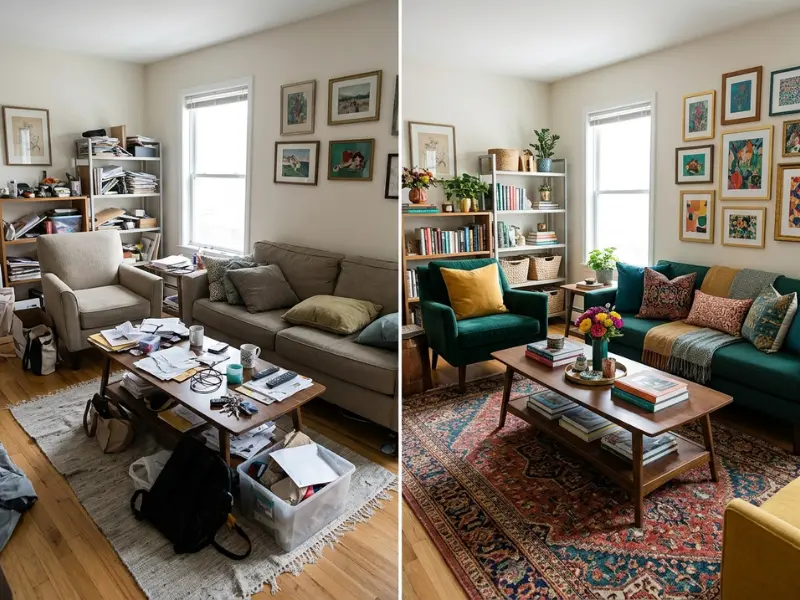
FAQs
What Is Maximalist Decor?
Maximalist decor is a home design style that celebrates bold colors, mixed patterns, rich textures, artwork, and personal collections. It lets you show your personality through your surroundings. The goal is to create a lively, welcoming space where different pieces work together rather than compete for attention.
What Is the Difference Between Maximalism and Minimalism?
Maximalism uses layers of color, patterns, textures, and decorative objects, while minimalism focuses on simplicity, open space, and fewer items. Maximalist rooms often feel lively and expressive, whereas minimalist rooms tend to feel calm and uncluttered. Both styles can look beautiful when they suit your needs and taste.
Is Maximalist Decor the Same as Clutter?
No, maximalist decor is planned, while clutter often makes a room harder to use. A well-designed maximalist room can contain many objects but still have clear walkways, useful surfaces, and a sense of order. Grouping similar items and repeating colors helps create a connected look without removing your personality.
How Do You Mix Patterns Without Making a Room Look Busy?
Mix patterns of different sizes and repeat one or two colors across them. For example, pair large floral curtains with thin striped cushions and a geometric rug that shares a color with the curtains. Keep one pattern simpler than the others so your eyes have a place to rest.
What Colors Work Best in Maximalist Decor?
Emerald green, sapphire blue, ruby red, mustard yellow, and terracotta are popular choices for maximalist decor. Soft pastels and neutral shades can work, too. Start with two or three colors, then add smaller accents that connect them. There is no single correct palette, so choose shades you enjoy seeing daily.
Can Maximalist Decor Work in a Small Room?
Yes, maximalist decor can work in a small room when you use bold details without blocking useful space. Try a patterned rug, colorful cushions, vertical artwork, and furniture with hidden storage. Choose a few strong features instead of decorating every surface, and keep walkways clear so the room stays comfortable.
How Do You Make a Maximalist Room Look Cohesive?
A maximalist room looks cohesive when its colors, materials, patterns, or themes share a few clear links. Repeat a color in several places, such as cushions, artwork, and curtains. You can mix old and new furniture, too. Before adding another item, check whether it connects with something already in the room.
Is Maximalism Still in Style?
Maximalism suits people who enjoy colorful rooms, layered patterns, collected objects, and decor that reflects their personal taste. Its appeal comes from self-expression, collected objects, and mixing different styles. Instead of following every trend, choose colors, furniture, and artwork you expect to enjoy for years. That makes your room feel personal, not dated.
How Can You Decorate in a Maximalist Style on a Budget?
You can create maximalist decor on a budget by rearranging furniture, reusing artwork, shopping secondhand, and updating items you already own. Try colorful cushion covers, thrifted frames, or a painted side table before buying large pieces. Start with one room and add items slowly, spending only on things that fill a real need.
How Do You Start a Maximalist Home Without Buying Too Much?
Start with one favorite item, such as a patterned chair, artwork, or colorful rug, and build the room around it. Use objects you already own, then add a few pieces that share its colors or style. Live with each change before shopping again. This helps you avoid waste and keep the room personal.
Conclusion
What is maximalist decor? It is a way to bring bold colors, mixed patterns, rich textures, and personal items together to create a home that reflects your taste. You don’t need to fill every corner or buy expensive furniture. The key is to choose pieces you love and find simple ways to connect them.
Start with one item, such as a colorful rug, a vintage chair, or a piece of artwork. Use its colors to guide your choices, then add patterns and textures gradually. Keep walkways clear, leave enough room for daily tasks, and store anything that makes the space feel crowded.
You can create a maximalist look in a small apartment, a rental home, or on a limited budget. Before buying anything new, try rearranging furniture and using decor you already own.
Choose one room and make a small change today. Build on it slowly until your home feels colorful, welcoming, and truly yours.